
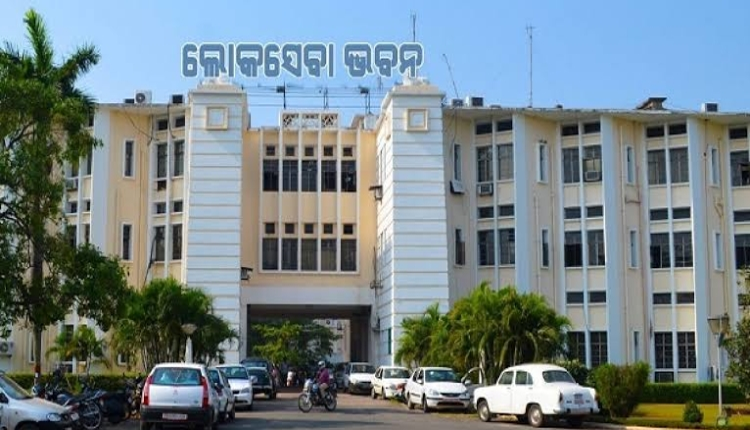
Bhubaneswar : The Odisha Government is gearing up for a crucial cabinet meeting on November 21, where several high-impact proposals, including the draft supplementary budget for the upcoming legislative session, are expected to be taken up for approval. The meeting, to be chaired by Chief Minister Mohan Charan Majhi, is being viewed as an important prelude to the winter session of the Odisha Legislative Assembly.
As per reliable sources familiar with the developments, the state administration has begun a detailed round of preparations in anticipation of the meeting. Close to nine major proposals—originating from around seven different departments—are currently being fine-tuned for cabinet scrutiny. These agenda items are said to be in their advanced stages of interdepartmental vetting, with officials working overtime to ensure that the documentation, financial implications, and administrative notes are fully aligned with procedural requirements.
In particular, heavy activity has been reported from key departments such as Water Resources, Panchayati Raj and Drinking Water, General Administration and Public Grievance (GA & PG), Finance, Energy, and several social sector departments. Senior bureaucrats from these ministries have been holding continuous consultations to refine their respective proposals before they are placed before the Council of Ministers.
One of the main highlights of the upcoming meeting will be the supplementary budget, which the state government is preparing to introduce during the forthcoming Assembly session. The supplementary budget serves as a mechanism to seek additional spending approvals during the financial year, addressing urgent requirements or newly emerging priorities that were not fully accounted for in the annual budget.
According to officials working closely on the matter, this year’s supplementary provisions are expected to touch upon sectors that require immediate financial reinforcement—such as irrigation expansion, drinking water infrastructure, welfare schemes for rural and urban communities, upgrades to administrative services, and support for ongoing development projects that have reported higher-than-estimated financial needs. However, the final contours of the budgetary allocations will only be known once the cabinet authorizes the Finance Department to place the document before the Assembly.
The preparations for the cabinet meeting reflect the administration’s attempt to ensure that the legislative session proceeds smoothly and efficiently. The winter session traditionally deals with important fiscal legislation, debates on governance matters, and review of departmental performance. Hence, the upcoming cabinet meeting is seen as a decisive step toward shaping the government’s financial priorities for the remainder of the financial year.
Across the state secretariat, officials are consolidating data, updating expenditure statements, and identifying priority areas that may require immediate infusion of funds. Coordination meetings between department secretaries and the Finance Department have been taking place almost daily to reconcile project demands, ongoing liabilities, and new initiatives being pursued by the government.
The Water Resources Department is reportedly preparing proposals that focus on strengthening irrigation facilities and accelerating key projects that could boost agricultural productivity. Similarly, the Panchayati Raj and Drinking Water Department is said to be finalizing proposals related to safe drinking water accessibility, rural infrastructure expansion, and improvements in service delivery at the grassroots level.
The General Administration Department, which plays a crucial role in overseeing administrative reforms and personnel management, is working on its part of the agenda, which may include plans to streamline internal processes or enhance public grievance redressal mechanisms. Meanwhile, other departments are also contributing proposals connected to sectoral improvements, technological upgrades, and policy modifications intended to support faster implementation of government schemes.
Political observers believe that the November 21 cabinet meeting will set the tone for the winter session, as the supplementary budget is expected to reflect the government’s short-term priorities and its approach toward managing the remaining months of the fiscal year. They also note that this meeting could provide insights into the administration’s strategic shift toward programs that require immediate scaling, especially in the context of public welfare and economic resilience.
In summary, the forthcoming cabinet meeting stands as a significant administrative event for Odisha. With multiple departments engaged in preparing key agenda items and the supplementary budget slated for approval, the gathering of the Council of Ministers is likely to shape not only immediate government spending but also the policy discussions that will unfold in the state Assembly during the winter session.