
Keonjhar: A large-scale tiger census is presently in progress across the Keonjhar forest division of Odisha, covering 105 designated forest bits. The exercise, which has been planned in several systematic phases, will continue until January 2026. Forest authorities and wildlife experts are executing the survey following strict scientific protocols to build a clear understanding of tiger occurrence, movement, and habitat conditions in the region.
The multi-phase census framework begins with a detailed assessment of carnivore presence, prey population and vegetation status. In the initial stage, field teams are conducting a carnivore sign survey to identify pugmarks, scat samples, territorial markings, scratch marks and other direct or indirect evidence associated with tigers and smaller members of the cat family. Alongside this, the ungulate survey focuses on counting herbivore species such as deer, sambar, and wild boar, which form the primary prey base for tigers. These data points help officials evaluate whether the forest environment can support a stable tiger population. The vegetation survey, another crucial component, is aimed at studying forest density, canopy cover, water availability and overall habitat quality essential for sustaining carnivores.
Once the foundational surveys conclude, the next major stage will involve the deployment of camera traps in strategically selected zones. This phase, scheduled for December 2025 and January 2026, will use high-resolution infrared cameras to capture images of wildlife movement, particularly that of tigers and leopards. Camera trap evidence is considered one of the most reliable modern tools for confirming the presence of elusive animals in dense forested regions. The collected images will help identify individual tigers based on stripe patterns, track their behaviour and understand their distribution across the Keonjhar landscape.
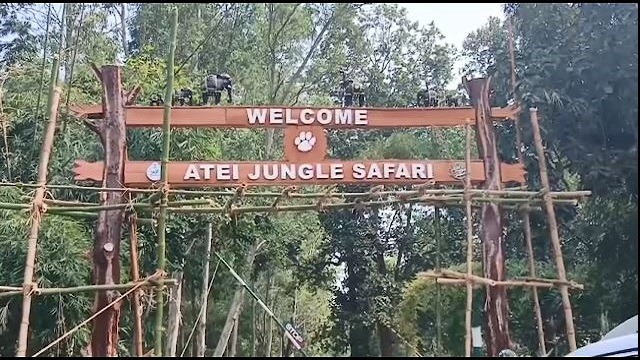
Interestingly, forest teams engaged in the current preliminary survey have already documented multiple encouraging signs pointing to the presence of both smaller feline species and striped tigers in two major forest areas: Atei Reserve Forest and Telkoi Forest Range. The discovery of fresh pugmarks, territorial scratch marks on trees, scat and movement tracks suggests that big cats have been frequenting these forest belts. These findings have generated optimism among wildlife conservationists, as Keonjhar was historically known to host tigers but had not reported consistent evidence in recent years.
Officials believe that continuous monitoring, improved habitat management and systematic scientific surveys will provide deeper insights into tiger activity in Keonjhar. The ongoing census is expected to play a vital role in shaping long-term conservation strategies, strengthening protection measures and enhancing ecological balance in the region. As the survey progresses through its scheduled phases, authorities remain hopeful that more definitive data will emerge, shedding light on the current status and potential revival of tiger presence in Keonjhar’s rich forest landscape.